Trust Signals That Boost WooCommerce Conversions
Every online purchase requires a leap of faith. The customer gives you their money and personal information, trusting that you'll deliver the right product, protect their data, and stand behind the transaction. For independent WooCommerce stores, this trust doesn't come automatically — you have to earn it on every page.
81% of online shoppers feel concerned about purchasing from an unfamiliar website. And their concerns are specific: Will this product match the description? Is my payment information safe? What happens if I need to return it? Can I actually reach customer service?
Trust signals address these concerns directly. They're visual and textual cues that reassure customers and reduce the perceived risk of buying from you. The right trust signals, placed in the right locations, can increase conversion rates by 15-30%.
This guide covers which trust signals work, where to place them, and how to implement them in WooCommerce.

Customer Reviews: Your Most Powerful Trust Signal
Reviews are the most influential trust signal in e-commerce. 93% of consumers say online reviews impact their purchasing decisions. Products with reviews convert 270% better than those without.
Getting More Reviews
Most customers don't leave reviews unprompted. You need a systematic approach:
Automated review request emails:
- Send 7-14 days after delivery (not after purchase — they need time to use the product)
- Include a direct link to the review form (minimize clicks)
- Make the ask simple: "How's your [product name]? Leave a quick review."
- Follow up once if they don't respond (after 7 more days), then stop
Incentivize without manipulating:
- Offer loyalty points for verified reviews (not discounts for positive reviews)
- Enter reviewers into a monthly drawing
- The incentive should be for leaving any review, not specifically positive ones
Make reviewing easy:
- Star rating + one sentence minimum (don't require paragraphs)
- Allow photo uploads (photo reviews are 3x more trusted)
- Enable review submission without requiring account creation
Displaying Reviews Effectively
On product pages:
- Star rating and review count above the fold (near the product title)
- Full reviews below the product description
- Show most recent reviews first (not highest rated — that looks filtered)
- Include negative reviews — stores with only 5-star reviews look fake
- Respond publicly to negative reviews with genuine solutions
On category pages:
- Star rating on product cards (helps customers compare while browsing)
Across the site:
- Aggregate rating in the header or footer: "Rated 4.8/5 from 2,847 reviews"
- Consider third-party review platforms (Trustpilot, Judge.me) for external credibility
The Perfect Review Score
Counter-intuitively, a 4.7-4.8 star average converts better than a perfect 5.0. Perfect scores feel suspicious. The presence of some 3-4 star reviews makes the overall rating more credible.
If your average is below 4.0, focus on improving product quality and customer experience before pushing for more reviews.
Security Badges and Payment Trust
After "Will this product be good?", the second biggest concern is "Is my payment safe?"
SSL Certificate (Baseline Requirement)
Your site must have HTTPS. Period. Chrome and other browsers flag non-HTTPS sites as "Not Secure," which immediately kills trust. WooCommerce won't even process payments without SSL.
But having SSL and communicating it are different things. Display a small padlock icon or "Secure Checkout" text near your payment form.
Payment Provider Logos
Show the logos of payment methods you accept:
- Credit card logos (Visa, Mastercard, Amex)
- PayPal, Apple Pay, Google Pay
- Buy Now Pay Later providers (Afterpay, Klarna)
Place these in the footer (site-wide), on product pages (near add-to-cart), and prominently on the checkout page.

Third-Party Security Badges
Badges from recognized security providers (Norton Secured, McAfee Secure, BBB Accredited) increase conversions by 10-15%. However:
- Only display badges for services you actually use (fake badges are fraud)
- Norton Secured and McAfee SECURE are the most recognized
- BBB accreditation carries weight in the US market
- Industry-specific certifications (PCI-DSS compliance, organic certification) are powerful for relevant stores
Trust Badge Placement
Trust badges work best when placed at the point of decision:
- Product page: Near the add-to-cart button (security + guarantee badges)
- Cart page: Near the proceed-to-checkout button
- Checkout page: Near the payment form and order submission button
- Footer: Payment methods and general trust badges (visible on every page)
A/B test badge placement — the exact position that works best varies by store layout and audience.
Guarantees and Return Policies
A clear, generous return policy is one of the most effective trust builders. It reverses the risk: instead of the customer taking all the risk, you're sharing it.
What to Offer
Money-back guarantee: "30-day no-questions-asked return" is the gold standard. Longer guarantees (60 or 90 days) convert even better and — counter-intuitively — result in fewer returns (the urgency to return fades with time).
Free return shipping: Removes the last financial barrier to trying your products. If margins allow it, this is powerful.
Satisfaction guarantee: "If you're not happy, we'll make it right" — open-ended and generous. Works well for premium or unique products.
How to Display Guarantees
Don't bury guarantees in policy pages. Surface them where buying decisions happen:
- Product page: Icon + one-line guarantee near the add-to-cart button
- Cart page: Guarantee reminder near the total
- Checkout: "Protected by our 30-day money-back guarantee" near the submit button
- Dedicated guarantee page linked from the footer (for customers who want details)
Specificity builds trust. "30-day money-back guarantee" is more credible than "Satisfaction guaranteed." Numbers and timeframes make promises concrete.
Social Proof Beyond Reviews
Reviews are one form of social proof. Others can be equally powerful.
Customer Count and Sales Volume
- "Trusted by 15,000+ customers" (in the header or hero section)
- "Over 50,000 orders shipped" (on the about page and footer)
- "Best seller — 3,400 units sold" (on product pages)
These numbers demonstrate that other people have trusted you and been satisfied. The bigger the number, the more reassuring.
User-Generated Content
Photos and videos from real customers using your products are more trusted than professional studio shots:
- Instagram feed embedded on product pages or a dedicated gallery
- Customer photos in reviews
- "As seen on" section with customer social media posts
- Unboxing videos (encourage with a QR code in packaging)
Media Mentions and Press
If your store or products have been featured in publications, display "As featured in" logos:
- Place on the homepage below the hero
- Only include recognizable publications
- Link to the actual article if possible
Expert Endorsements
For health, beauty, or technical products:
- "Recommended by [Expert Name], [Credentials]"
- Third-party test results or certifications
- Professional association memberships

Transparency: The Meta Trust Signal
Transparency isn't a single element — it's an approach that permeates your store. Transparent stores feel trustworthy even without explicit trust badges.
Pricing Transparency
- Show total cost (including shipping and tax) as early as possible — surprise fees at checkout are the #1 reason for cart abandonment
- If you offer free shipping above a threshold, show progress: "Add $12.50 more for free shipping"
- For subscription products, clearly show the recurring charge and cancellation terms
- Display per-unit pricing for bulk or multi-pack products
Product Information Transparency
- Complete ingredient lists for consumables
- Materials and sourcing information
- Manufacturing location ("Made in [Country]")
- Size guides with actual measurements (not just S/M/L)
- Honest product photography (not over-edited or misleading)
Business Transparency
- About page with real people: Show your team. A photo and brief bio of the founder builds more trust than any badge.
- Physical address: Display it in the footer. A business with a physical address feels more legitimate than one without.
- Phone number: Even if you primarily support via email, having a visible phone number increases trust (many customers never call — they just want to know they could).
- Contact response time: "We respond to all inquiries within 24 hours" sets expectations and builds confidence.
Real-Time Trust Signals
Dynamic, real-time elements create urgency while building trust through social proof.
Stock Level Indicators
- "In Stock" (reassuring for any product)
- "Only 3 left in stock" (urgency + proof of demand)
- "Back in stock" (shows products sell out and come back — implies popularity)
Be honest with stock levels. Fake scarcity (always showing "Only 2 left!") destroys trust when customers notice.
Recent Activity Notifications
"Sarah from Austin just purchased this item" — these notifications combine social proof with urgency. They work best for stores with moderate to high purchase volume.
Implementation: Plugins like WPfomify or TrustPulse display these notifications. Configure them to:
- Show real purchases only (never fake data)
- Limit frequency (one notification every 30-60 seconds, not a constant stream)
- Allow customers to dismiss them
- Disable on checkout pages (they distract from completing the purchase)
Live Visitor Count
"17 people are viewing this product right now" — creates FOMO and social proof simultaneously. Only use this if the numbers are real and meaningful (showing "1 person viewing" backfires).
Trust Signals for Specific Store Types
Different product categories have different trust concerns.
Health and Supplement Stores
- Third-party testing certifications (NSF, USP, ConsumerLab)
- GMP (Good Manufacturing Practices) certification
- Ingredient sourcing transparency
- Expert endorsements from healthcare professionals
- See our supplement store guide for details
Food and Grocery Stores
- Food safety certifications
- Allergen labeling and cross-contamination policies
- Cold chain/shipping temperature guarantees
- Freshness guarantees with specific claims
- Reviews mentioning taste and quality
High-Value Products
- Authenticity guarantees ("100% Genuine — Authorized Retailer")
- Extended warranties
- Certificate of authenticity for luxury goods
- Detailed product provenance
For all store types, AI-powered shopping assistance provides a unique form of trust. When customers can describe their needs in natural language and get intelligent, personalized recommendations, it demonstrates expertise and care that builds confidence.
Measuring Trust Signal Impact
Trust signals are only valuable if they improve metrics. Here's how to measure:
A/B Testing Trust Elements
Test one element at a time:
- Add trust badges near add-to-cart → measure conversion rate change
- Display review count in product cards → measure category page CTR
- Add guarantee text to checkout → measure checkout completion rate
- Show customer count in header → measure bounce rate change
Run each test for 2-4 weeks with at least 1,000 visitors per variation. Use your A/B testing framework for reliable results.
Key Metrics to Watch
- Conversion rate by page: Track separately for product pages, cart, and checkout
- Cart abandonment rate: Trust signals on cart and checkout should reduce this
- New vs. returning customer conversion: Trust signals have the biggest impact on new customers
- Support ticket volume: Good trust signals reduce "Is this legit?" inquiries
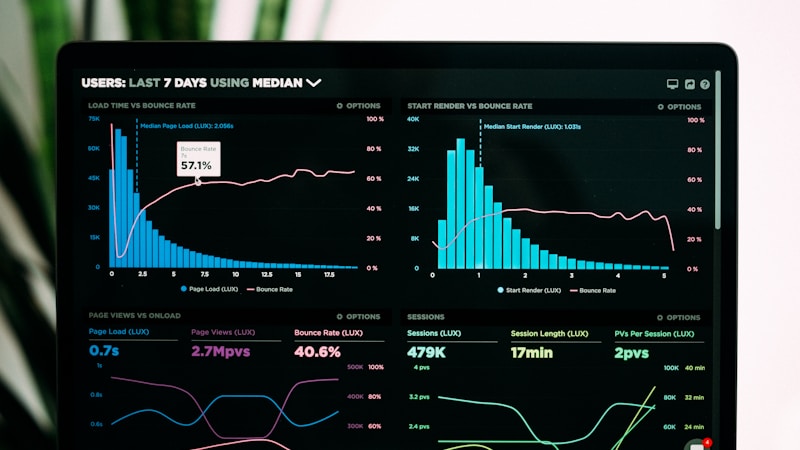
Monitor these in your analytics setup.
Implementation Priority
Don't implement everything at once. Start with the highest-impact, lowest-effort signals:
Week 1 (Quick wins):
- Add payment provider logos to footer and checkout
- Display return policy near add-to-cart buttons
- Ensure SSL padlock is visible
Week 2-3 (Medium effort):
- Set up automated review request emails
- Add star ratings to product cards on category pages
- Create or improve your About page with team photos
- Add physical address and phone number to footer
Month 2 (Higher effort):
- Implement third-party review platform
- Add trust badges (after obtaining legitimate certifications)
- Set up real-time social proof notifications
- Create a dedicated guarantee page
Ongoing:
- Respond to all reviews (especially negative ones)
- Update customer count and sales metrics quarterly
- A/B test trust signal placement
- Collect and display user-generated content
The Bottom Line
Trust isn't a single element or badge — it's the cumulative effect of every signal across your store. Reviews tell customers your products are good. Security badges tell them their payment is safe. Guarantees tell them they're not taking a risk. Transparency tells them you have nothing to hide.
The stores that convert best aren't necessarily the ones with the best products or the lowest prices. They're the ones that make customers feel safe enough to click "Place Order."
Build trust systematically, measure the impact, and keep raising the bar. In e-commerce, trust compounds — every positive interaction makes the next purchase easier.